Industrial Details That Prepare the Facility for Use
Industrial construction cleaning has to handle scale, heavier residue, and operational timing. These projects may include exterior facades, docks, production areas, concrete floors, equipment pads, utility rooms, offices, restrooms, stairs, and mezzanines.
Debris is often more varied than in a standard commercial build. Scrap material, packaging, concrete dust, metal fragments, insulation, adhesive residue, mud, and overspray can collect across travel paths and work zones. Removing those materials improves safety and usability.
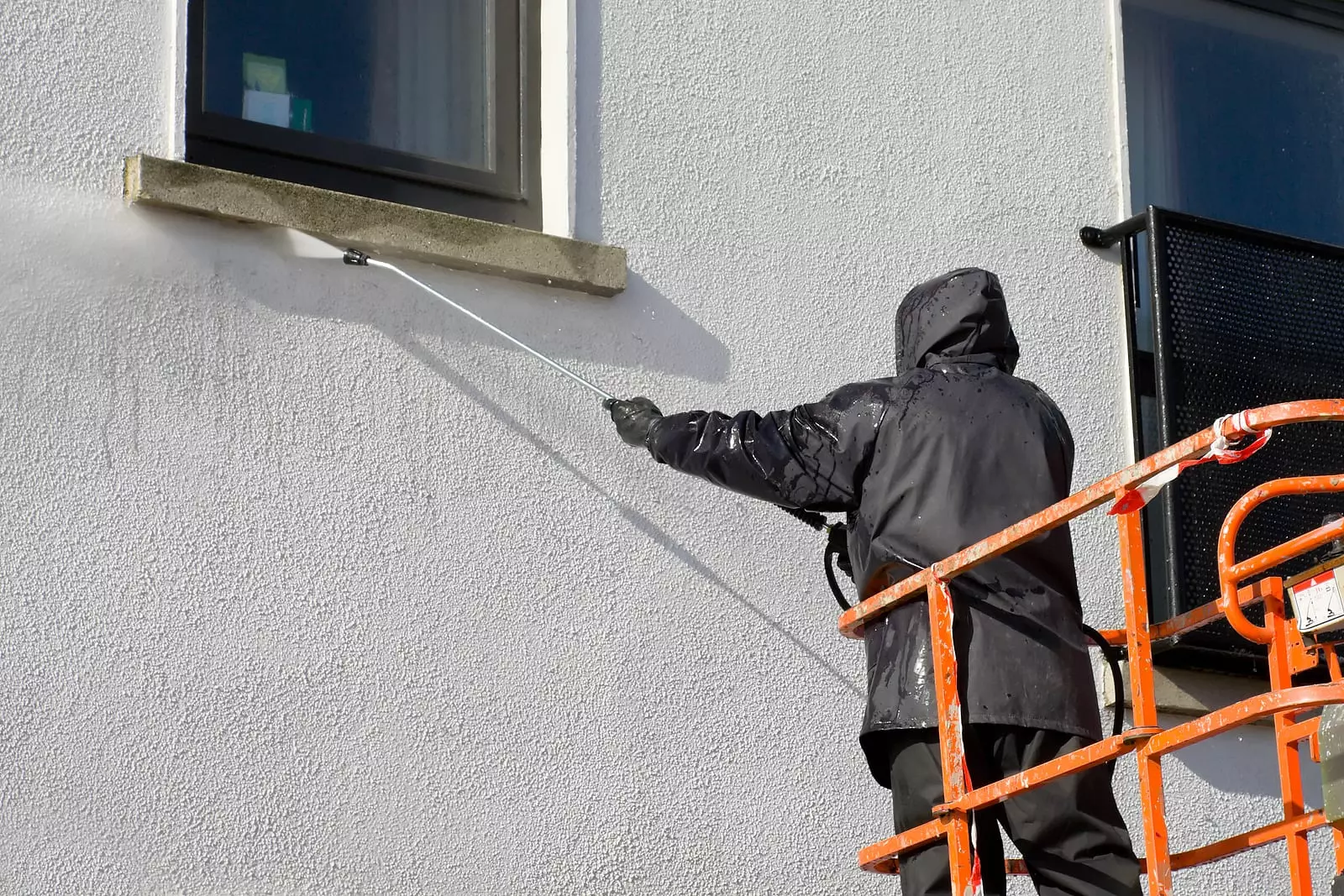
Exterior conditions matter on industrial sites because facade residue, dirty entries, dock grime, and approach debris can affect owner perception and vendor access. Pressure washing and entry cleanup are often part of a practical turnover plan.
Interior floors need attention before equipment startup, striping, coating, or tenant possession. We look at dust, stains, tire marks, floor edges, and equipment zones so the project team can decide what level of cleaning supports the next phase.
Industrial projects often remain active while cleaning begins. We define zones, confirm restricted areas, coordinate with equipment vendors, and separate rough cleaning from final cleaning so crews are not working against unfinished construction.
A successful industrial clean is measured by readiness: clear travel paths, cleaner floors, usable support rooms, safer work zones, organized debris removal, and a facility that can move toward operations without leftover construction clutter.
Industrial sites often have longer travel paths between debris zones, work areas, offices, docks, yards, and support rooms. We account for that scale so cleanup does not only improve the most visible area while leaving operational paths dirty.
Exterior cleanup can affect handoff as much as interior work. Dirty doors, dusty approaches, leftover packaging, tracked mud, facade residue, and clutter near loading areas can make a new industrial property feel unfinished before anyone reaches the main floor.
We coordinate cleaning around equipment vendors, commissioning teams, safety inspections, and owner walkthroughs. Each group needs the facility in a different condition, and the cleaning sequence should support those milestones instead of forcing avoidable rework.
Support spaces help crews and operators begin using the facility. Offices, restrooms, break rooms, stairwells, mezzanines, storage rooms, and utility areas need enough detail that staff can occupy them without bringing construction dust into daily operations.
For industrial construction in the Dallas-Fort Worth area, the final clean should leave the site clearer, safer, and easier to transition. The building may still need operational setup, but it should no longer feel like active construction.
Large industrial projects often need staged cleanup by zone. Docks, production floors, utility rooms, offices, exterior entries, mezzanines, and equipment pads may become ready at different times, and the cleaning plan should reflect that reality.
Floor conditions deserve a close look because they affect what happens next. Dust, tire marks, adhesive, overspray, and debris along edges can interfere with striping, coating, equipment placement, or tenant move-in.
We also account for the areas visitors and owners see first. Fences, gates, exterior paths, entry doors, glass, reception areas, restrooms, and main travel routes shape the impression of whether the facility is truly ready.
If vendors continue working after the first cleanup, we protect the final pass for areas where dust will return. That sequencing helps avoid spending time detailing spaces before the conditions are stable enough for the result to last.
A strong industrial handoff is practical. The site has clearer access, cleaner support rooms, reduced debris, more usable floors, and a better foundation for the operational work that follows construction.
We review both heavy-use and administrative areas because each affects readiness differently. A cleaner production floor helps vendors and operators, while clean offices, restrooms, corridors, and break areas help staff begin using the building without extra cleanup.
When construction residue includes mixed materials, we separate debris removal, sweeping, floor washing, detail dusting, and exterior cleanup into the right order. That sequence keeps the final work focused on readiness rather than repeating the same broad pass.