Post-Construction Cleaning for Healthcare Environments
Medical facilities need a cleaner handoff than ordinary commercial spaces because dust, adhesive residue, packaging debris, and fixture film can interfere with patient comfort, staff setup, and infection-control expectations. We clean clinics, exam rooms, dental offices, imaging suites, therapy spaces, medical offices, restrooms, waiting areas, corridors, and support rooms with careful attention to high-touch surfaces and finished materials.
Construction dust settles into cabinet interiors, sinks, counters, door frames, light fixtures, vents, baseboards, medical gas-adjacent areas, restroom partitions, and floor edges. A healthcare space can look finished from the doorway while still holding dust in places staff will touch immediately. Our process works top-down and room-by-room so the finished clean supports clinical setup rather than leaving hidden residue behind.
Readiness for Staff, Patients, and Inspectors
Healthcare construction cleaning often happens between final trade work and equipment installation. The sequence matters. We can rough clean after heavy work, then detail rooms after millwork, plumbing fixtures, lighting, flooring, and final paint are complete. When equipment arrives before cleaning, we coordinate access around installed items and avoid using methods that create unnecessary dust movement.
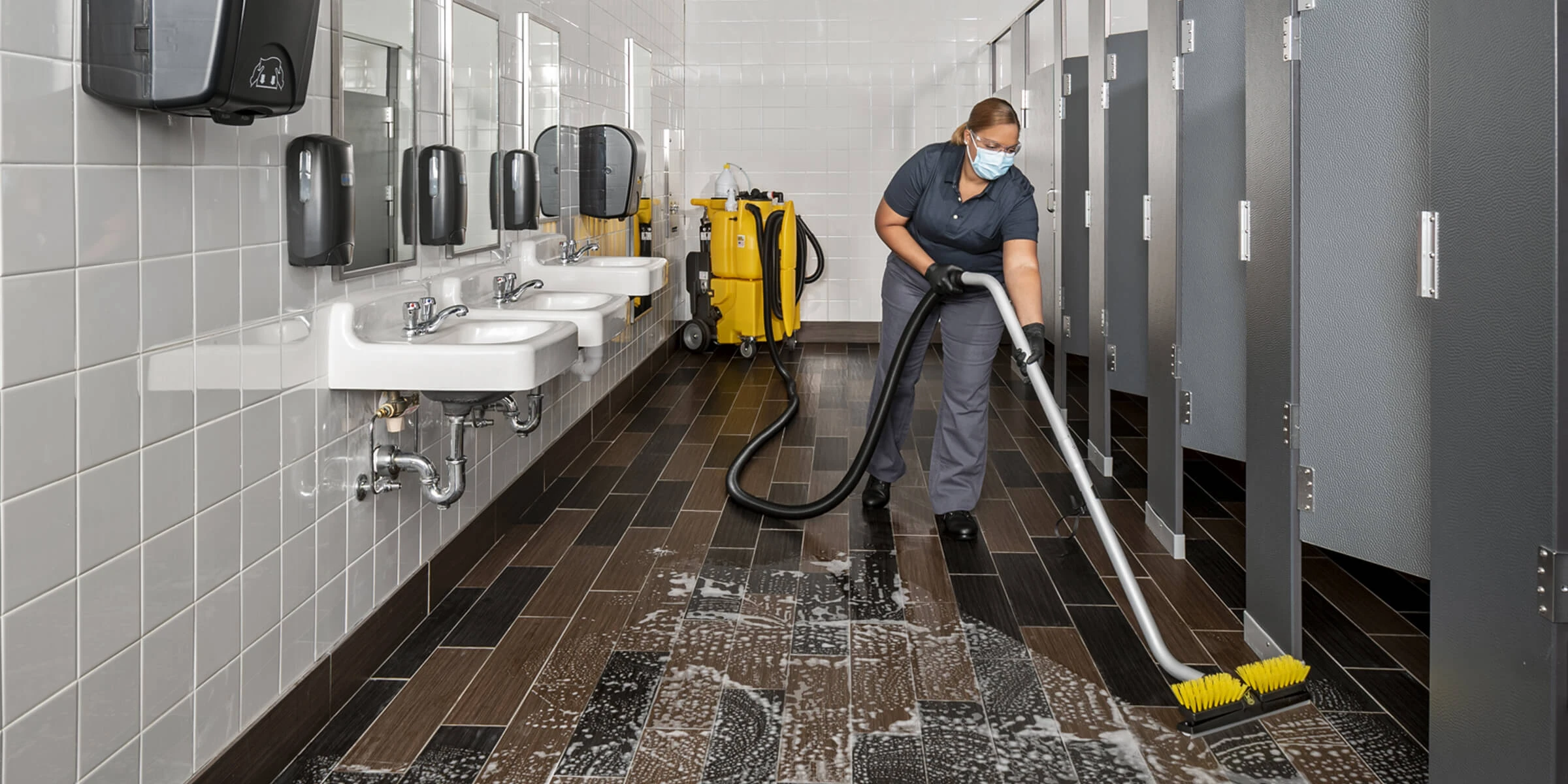
Exam rooms, procedure rooms, waiting areas, restrooms, break areas, nurse stations, and administrative spaces each need a different level of detail. We focus on surfaces that patients see and staff use: counters, sinks, door hardware, switches, cabinets, glass, mirrors, floor edges, restroom fixtures, and HVAC registers. Cleanliness must feel deliberate, not rushed.
Careful Products and Practical Boundaries
Post-construction cleaning does not replace clinical terminal cleaning or specialized infection-control work required by a facility's policies. It prepares the built environment by removing construction residue and delivering a clean baseline before medical teams complete their own clinical readiness steps.
Our crews work with the project team to understand access restrictions, sensitive finishes, water availability, and areas that need special caution. We keep debris contained, protect finished flooring where appropriate, and communicate visible issues such as damage, residue, or incomplete construction items that may affect turnover.